
Selling a Probate Home in King County: What Families Should Know

King County is a big place to have a probate house. One family might be selling a Capitol Hill condo, another a split level in Kent, another a cabin out past North Bend on a well and septic. The court is the same for all of them, but the house, the buyers and the paperwork can look completely different.
Here's what's specific to King County, and what I'd want a family to know before they list.
Where King County probate cases go
Probate here runs through King County Superior Court, in its Ex Parte and Probate department. That department handles probate along with guardianships, trusts and other matters not assigned to a judge.
The court has courthouses in Seattle and at the Maleng Regional Justice Center in Kent. Under the court's local rules, the county is split into a Seattle case assignment area and a Kent case assignment area, divided roughly at Interstate 90. A probate case is assigned based on where the person who passed principally lived. Filings are generally done electronically, and the court requires certain ex parte matters to be presented through the Clerk.
Your estate attorney handles all of this. You don't need to learn the court's system, but it helps to know why your attorney mentions Seattle or Kent, and why most of the process happens on paper rather than in a courtroom.
Once the personal representative is appointed with nonintervention powers, they can sell the home without a court order (RCW 11.68.090). From there, the listing and sale run a lot like any other.
Homes on septic have extra steps
Plenty of King County homes aren't on sewer, especially in the rural east and south parts of the county. If the house has a septic system, Public Health Seattle and King County has specific requirements at sale:
- The system must be inspected by a certified on site system maintainer before title transfers. The seller schedules it.
- The maintainer submits the report to Public Health, which reviews it within 10 business days.
- Before closing, the seller records a notice of on site sewage system operation and maintenance requirements with the King County Recorder's Office, unless one is already on title, and gives the buyer a recorded copy. Agents know this as form 22U.
- The buyer pays an operation and maintenance program fee to Public Health at transfer.
- The inspection can be waived in some cases, such as when a licensed maintainer filed a monitoring report within the last 6 months and reports have been filed regularly.
For an estate, the personal representative usually steps into the seller's role on all of this. Book the inspection early. If the system needs repairs, you want to know before you're under contract.

Keep the property taxes current
King County property taxes come in two halves. The first is due April 30 and the second October 31. If the first half isn't paid by April 30, the full year becomes delinquent on May 1, and late charges are added monthly.
The county Assessor sets the value and the Treasury collects the tax. If the house had a mortgage with an escrow account, the county still treats making sure taxes are paid as the owner's responsibility. Have the personal representative update the mailing address on the tax account so statements don't go to an empty house. The Treasury accepts that change by email, on the payment stub, or with a mailed form.
One county, very different buyers
An Eastside estate home in Kirkland or Redmond often draws buyers who want to update it to their taste, and condition can matter less than location. In Seattle, it depends a lot on the neighborhood and whether the home is a condo, a townhome or a house. In south King County, I often see more investors and first time buyers, and the math on repairs gets tighter.
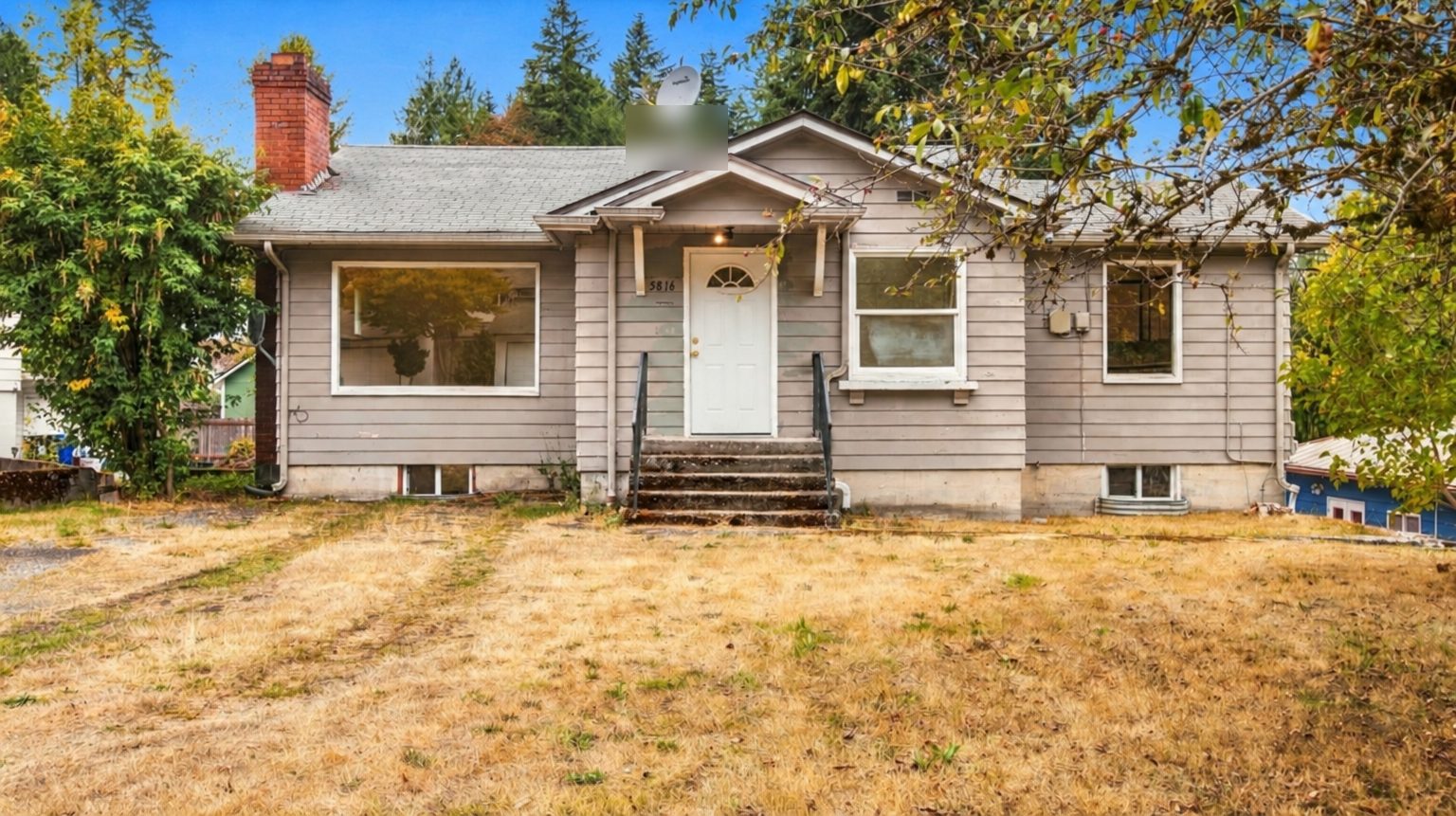
That's why the fix up or sell as is question has a different answer depending on where the house is. On a Federal Way estate fixer this year, I gave the personal representative a frank look at what a renovation would cost against what it would add, and what investors would realistically pay. We listed at $399,000 and sold for $454,500.
Excise tax on the sale
Inheriting a house doesn't trigger Washington's real estate excise tax, but selling it to an outside buyer does. Your escrow officer will calculate it, and your CPA can explain how it fits with the rest of the estate.
The biggest King County surprise I see isn't the court. It's the septic inspection, or the tax bill sent to an empty mailbox. Both are easy to handle in week one and painful to discover in week six.
Related guides
- Selling a House in Probate in Washington: How the Timeline Works
- Selling an Inherited Home in Snohomish County: Everett to Bothell
- Selling an Inherited Home in Pierce County: Tacoma and Puyallup
Sources: King County Superior Court Ex Parte and Probate, King County Superior Court calendars and locations, King County local rule on case assignment areas, RCW 11.68.090, Public Health Seattle and King County on septic sales and transfers, King County Treasury property tax FAQ, Washington rule on inheritance and excise tax. General information only, not legal or tax advice. For the full rundown, see how I help with inherited and estate homes.
Common Questions
Which King County courthouse handles probate?
Probate goes through King County Superior Court, which has courthouses in Seattle and at the Maleng Regional Justice Center in Kent. The case is assigned based on where the person who passed principally lived. Your estate attorney will handle the filing.
Does a King County probate home on septic need an inspection before sale?
Generally yes. King County requires an inspection by a certified maintainer before title transfers, plus a recorded notice for the buyer, though some waivers exist. Check the county septic sales and transfers page for details.
When are King County property taxes due?
The first half is due April 30 and the second half October 31. Keeping them current while the estate is open avoids late charges.
Can the personal representative sell without a court order?
In Washington, a personal representative with nonintervention powers can sell estate property without a court order. Your attorney will confirm whether those powers were granted.
Related posts
- Best Time of Year to Sell a Home on the EastsideOctober 26, 2026
- What It Actually Costs to Sell a Home in Washington StateOctober 21, 2026
- Selling an Inherited Home in Snohomish County: Everett to BothellOctober 20, 2026

Handling an inherited home or a parent's house?
I'm Jack Macdonald, a broker with the Macdonald Group of Compass. In 2026 I sold eight homes for one family's estate, from Everett down to Federal Way, and each one needed its own plan: inspections before listing, repairs, curb appeal, staging and photography, and keeping the executor and family updated the whole way.
If it would help to talk through your situation, send me a note or call or text 425.941.6998. There's no obligation, and I'm not an attorney, so I'll work alongside yours. See the estate homes I've sold.
Selling or inheriting a home is also a money decision. For retirement, tax and estate planning on the Eastside, I recommend Gevers Wealth Management in Issaquah.